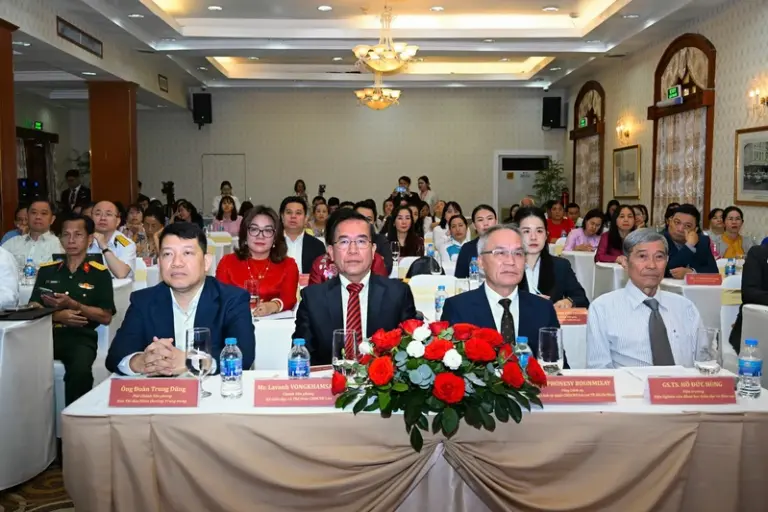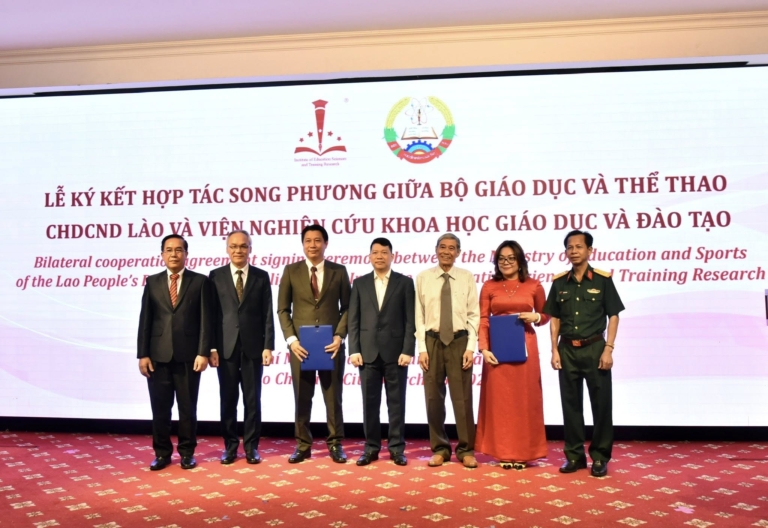
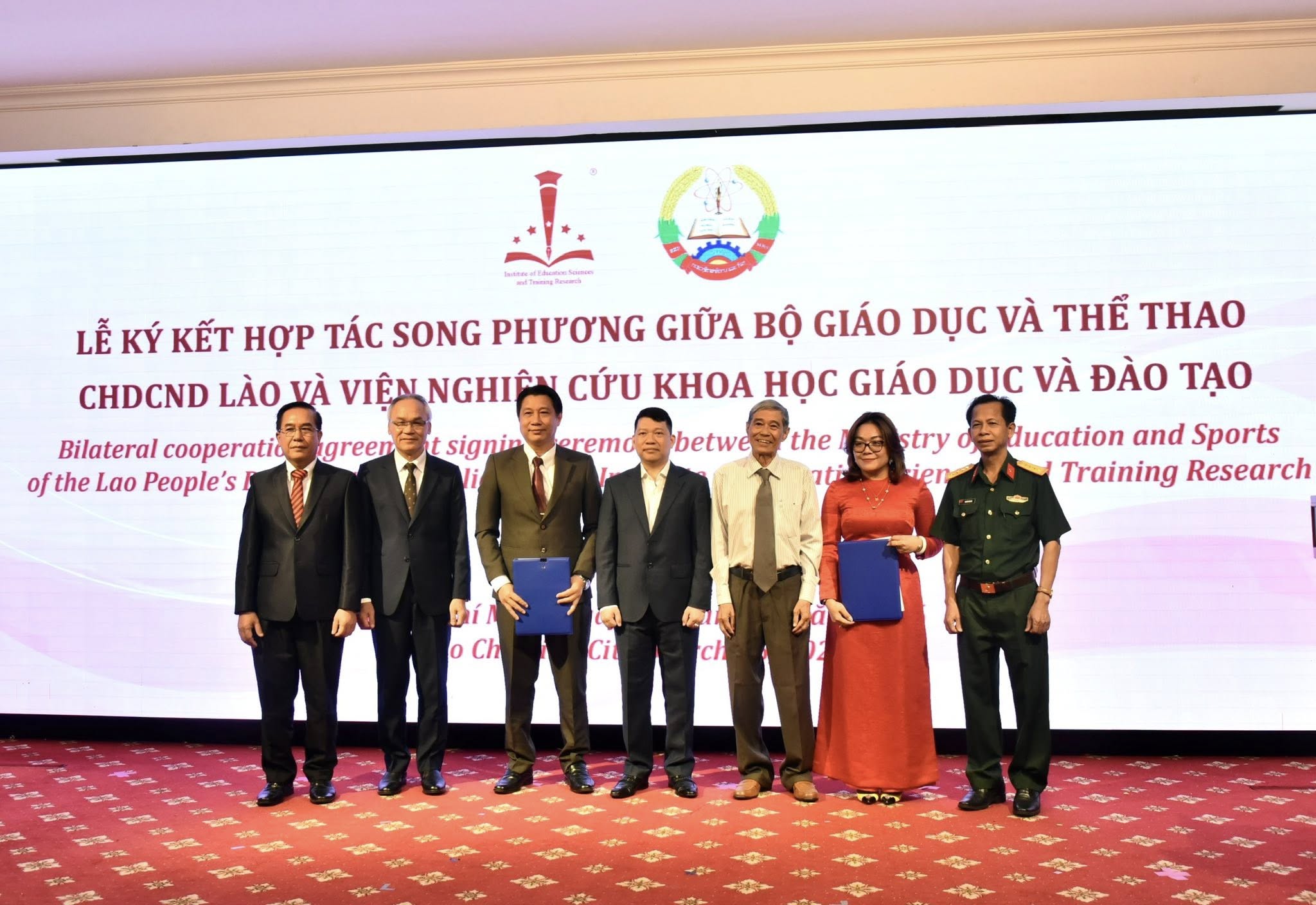

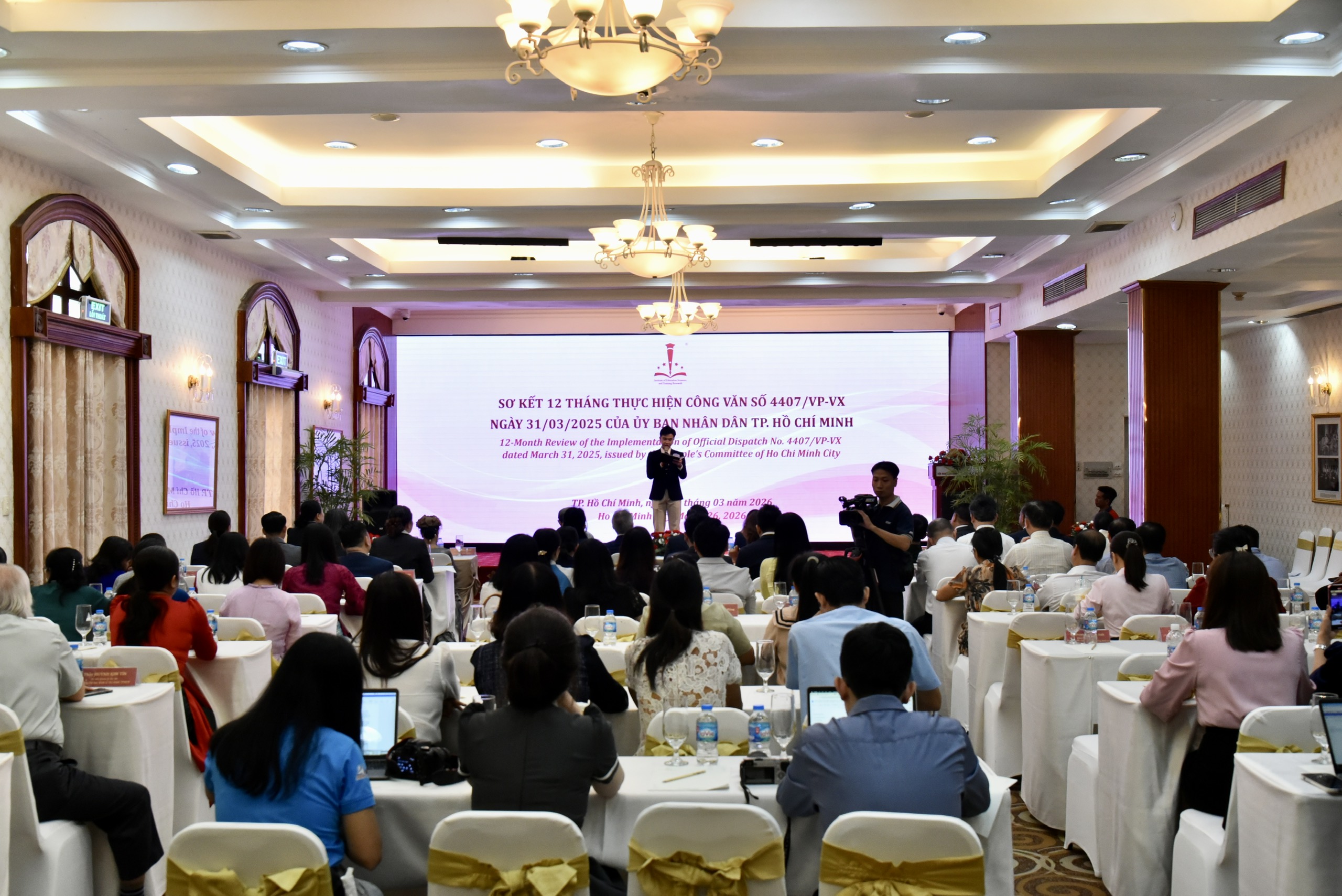
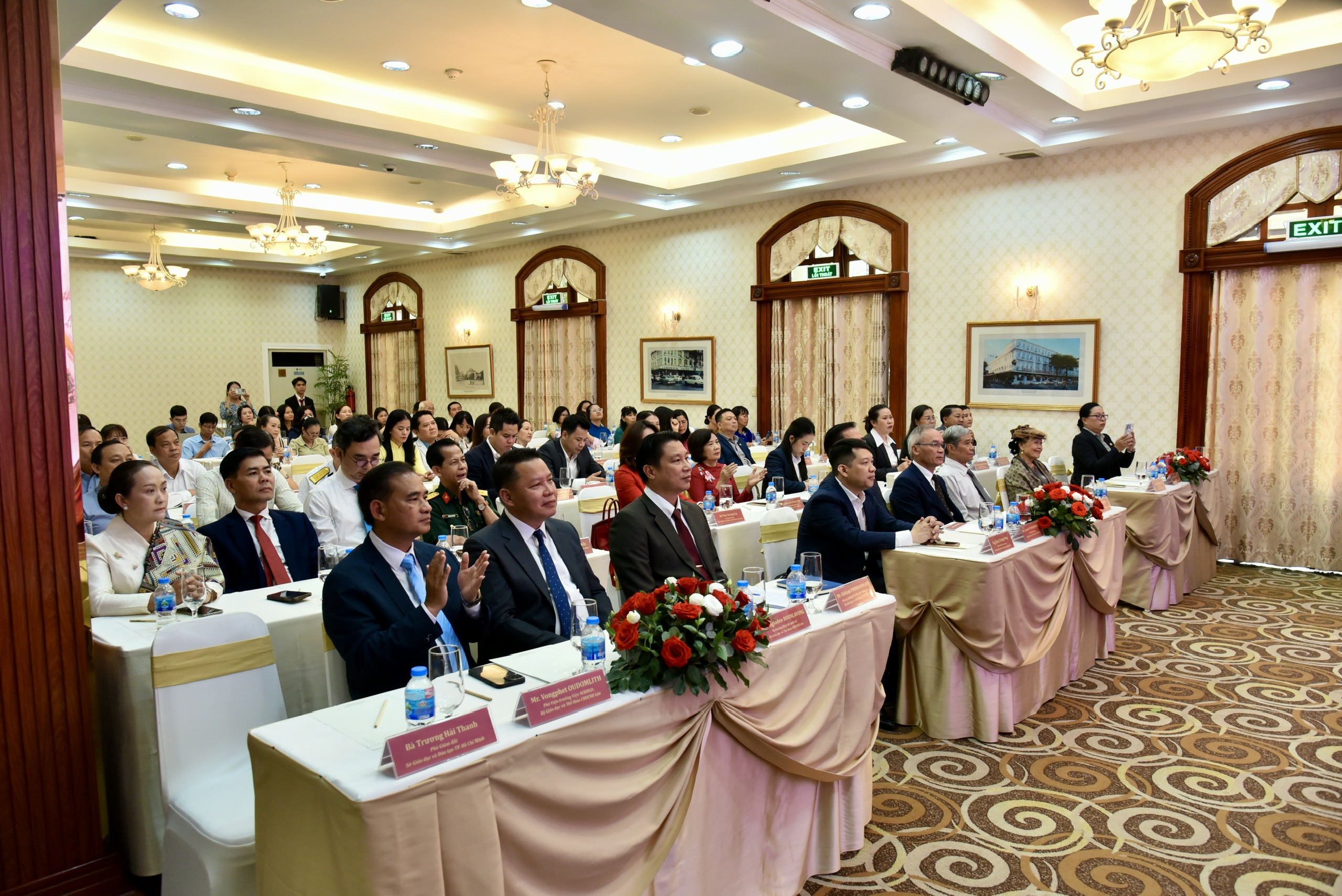
On March 26, 2026, at the Continental Saigon Hotel (Ho Chi Minh City), the Institute of Education Sciences and Training Research successfully organized the Bilateral Cooperation Signing Ceremony with the Ministry of Education and Sports of the Lao PDR, combined with a 12-month review conference on the implementation of Official Dispatch No. 4407/VP-VX issued by the Ho Chi Minh City People’s Committee.
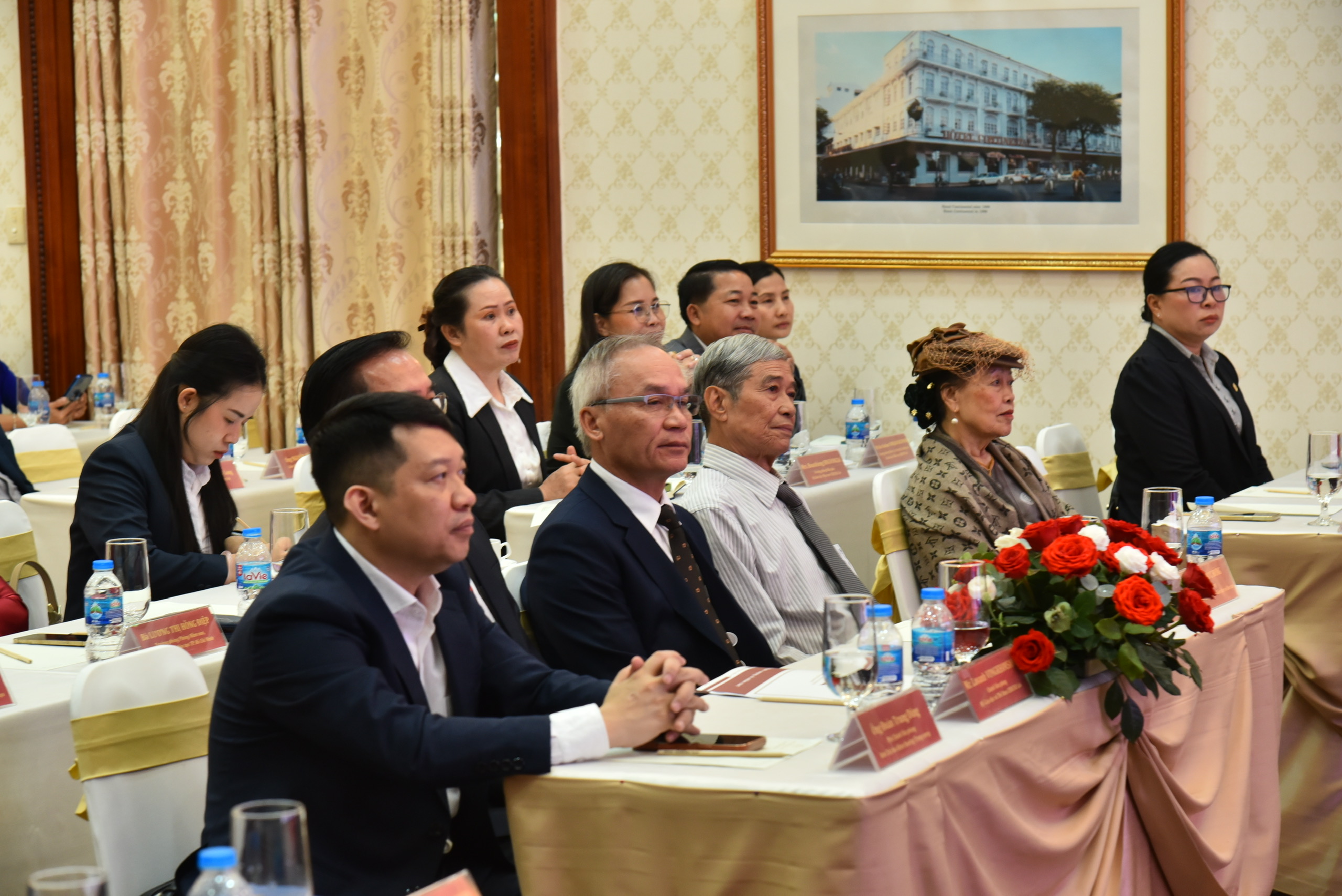
The event was attended by leaders from the Lao Ministry of Education and Sports, representatives of local authorities, along with experts, scientists, and organizations in education and child protection.
The bilateral signing ceremony marked not only the establishment of formal cooperation, but also the foundation of a strategic and in-depth partnership in education and human development.
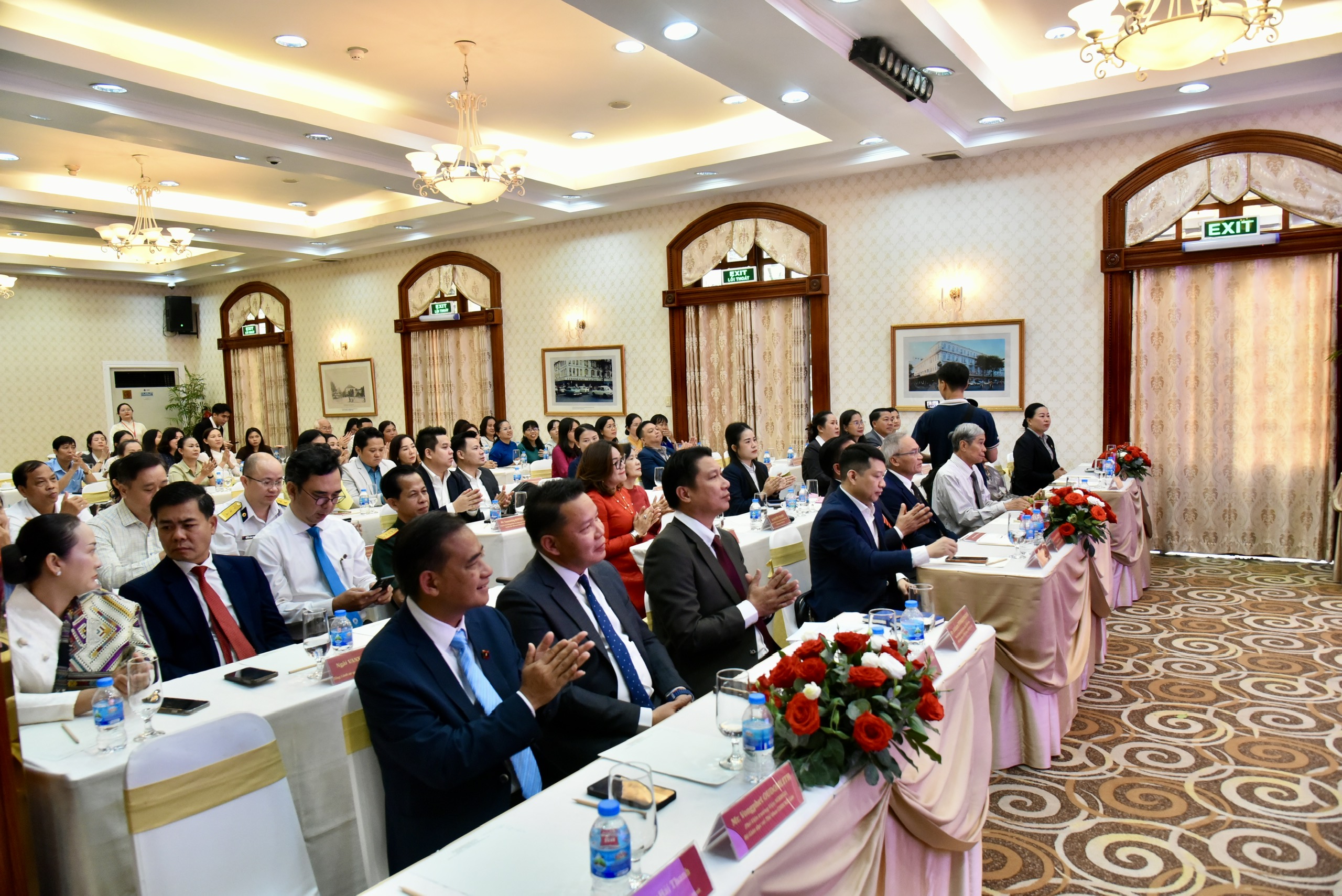
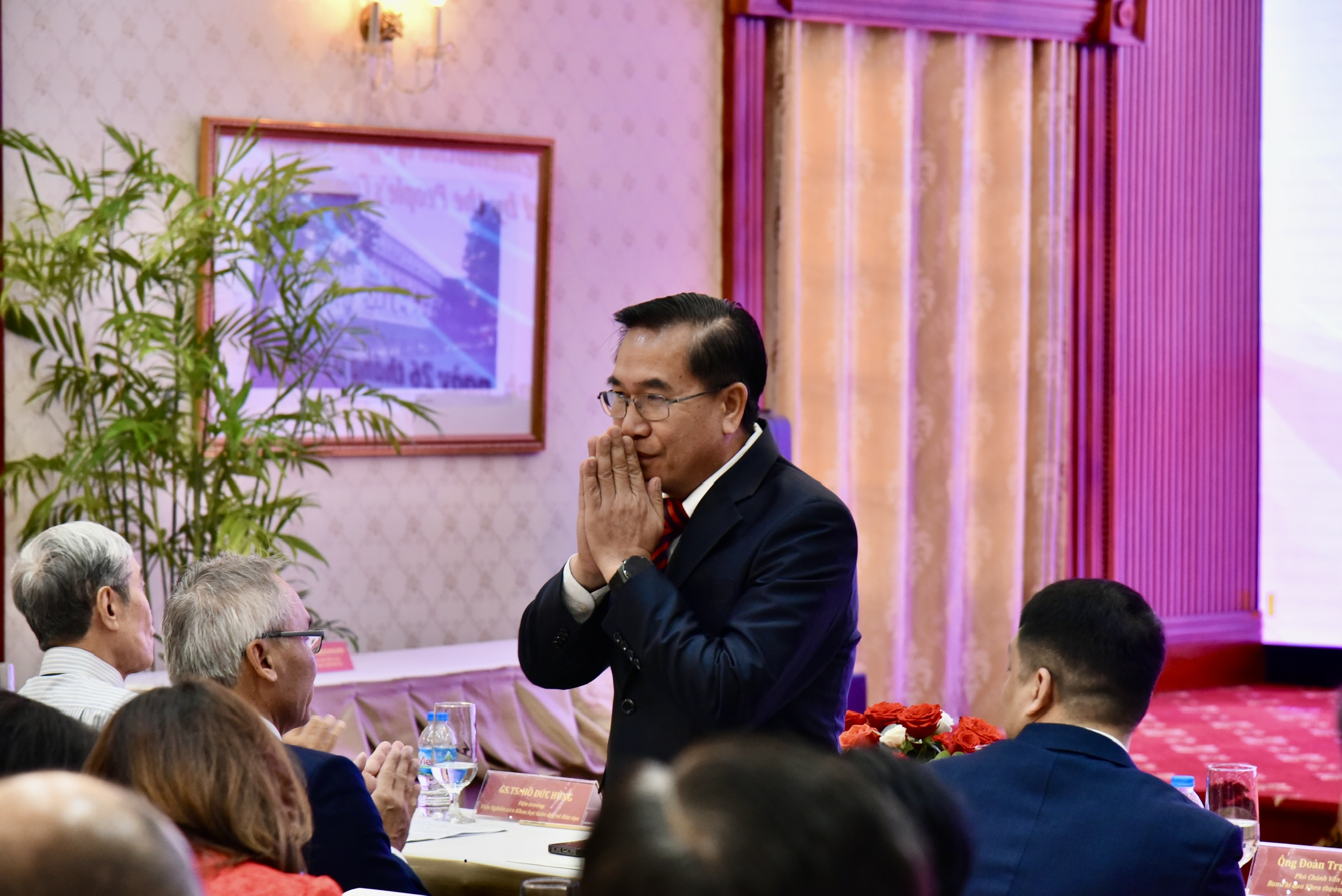
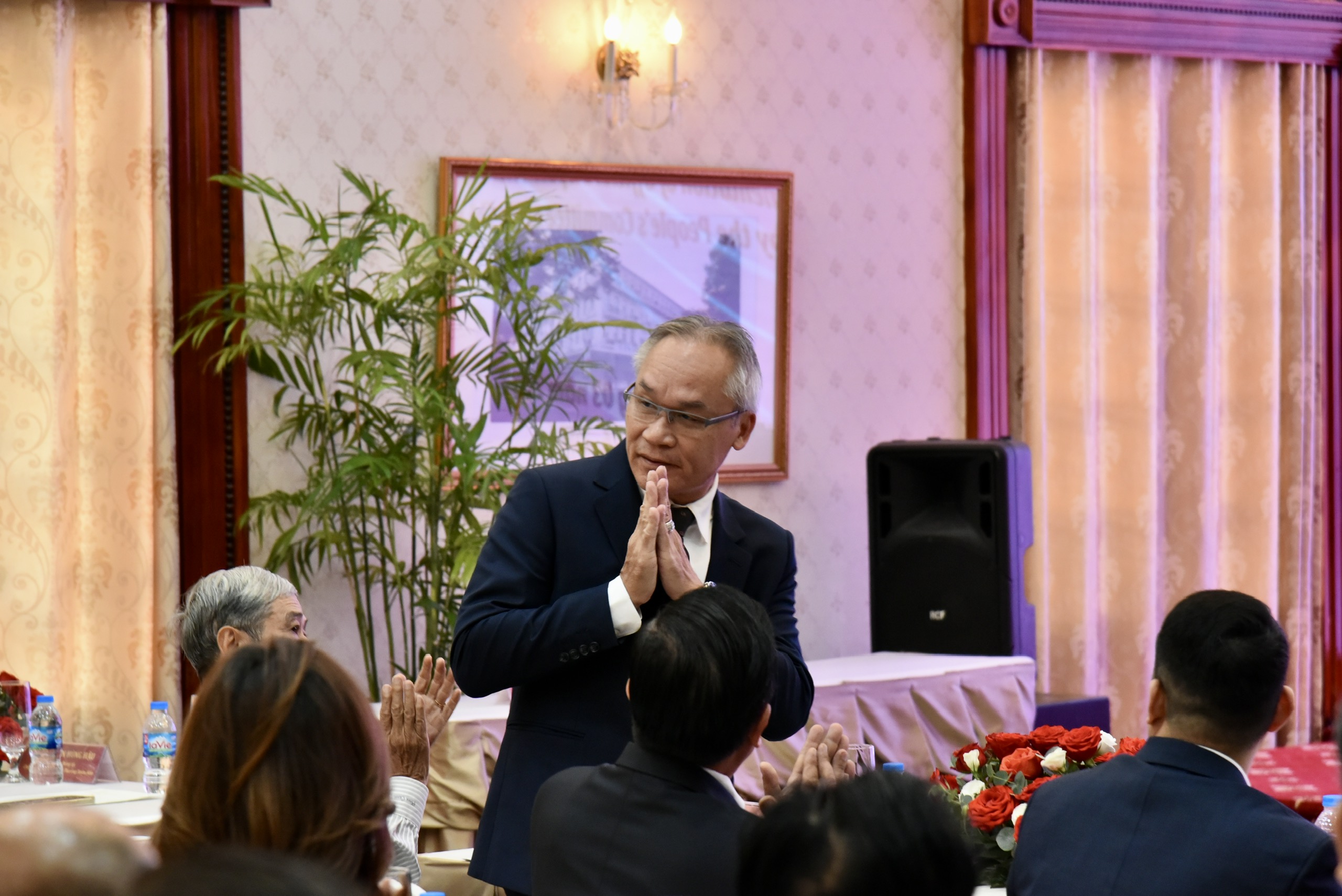
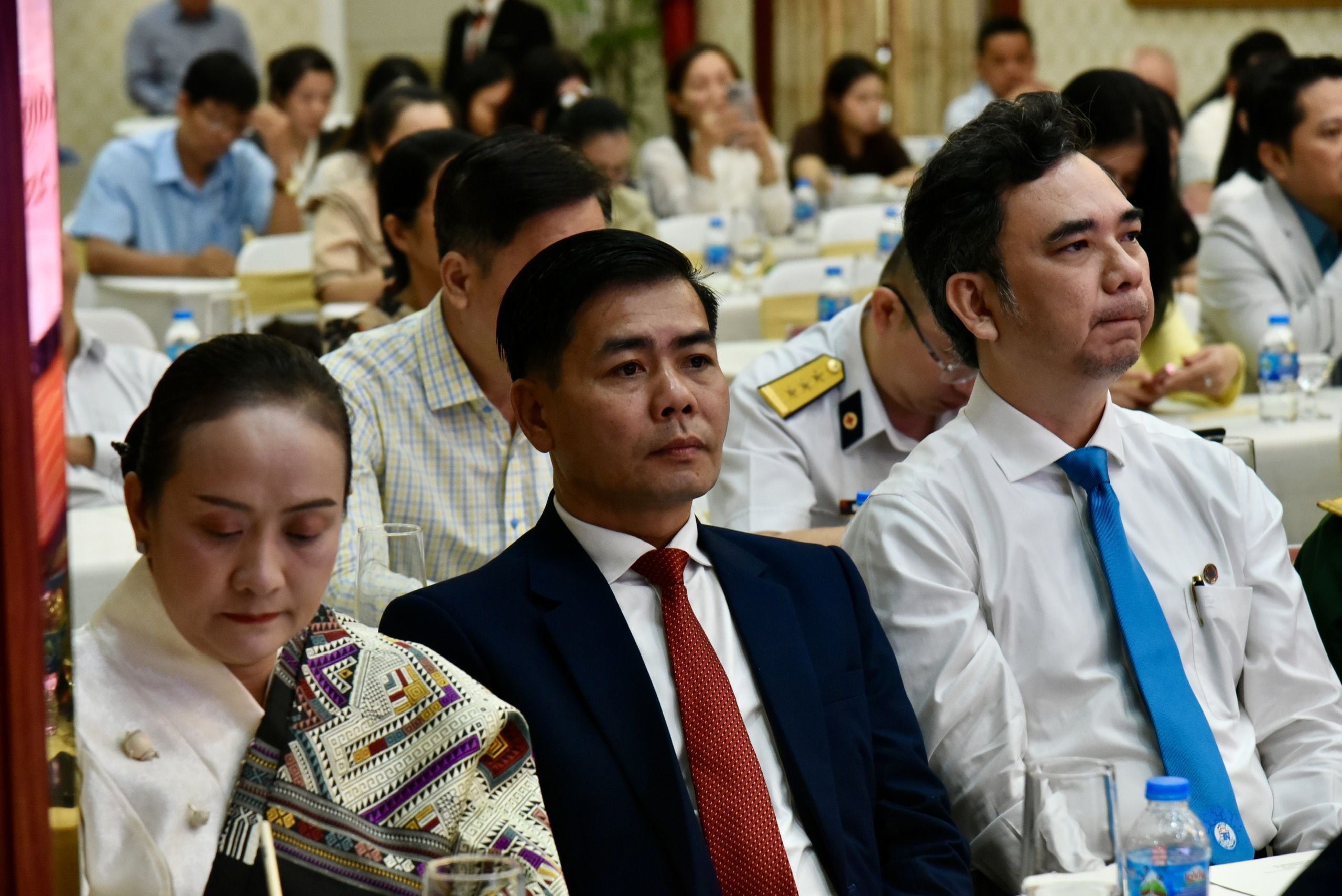
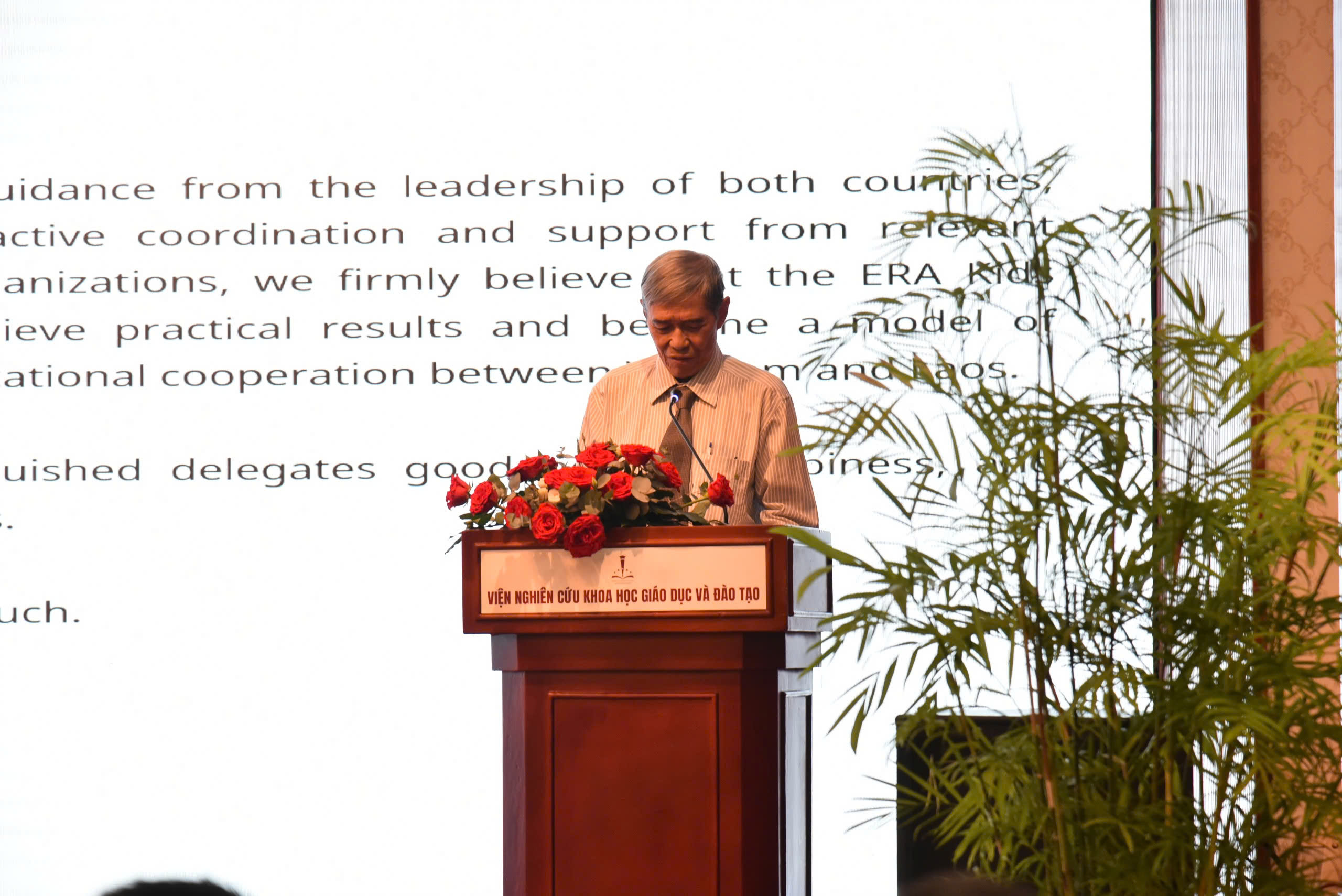
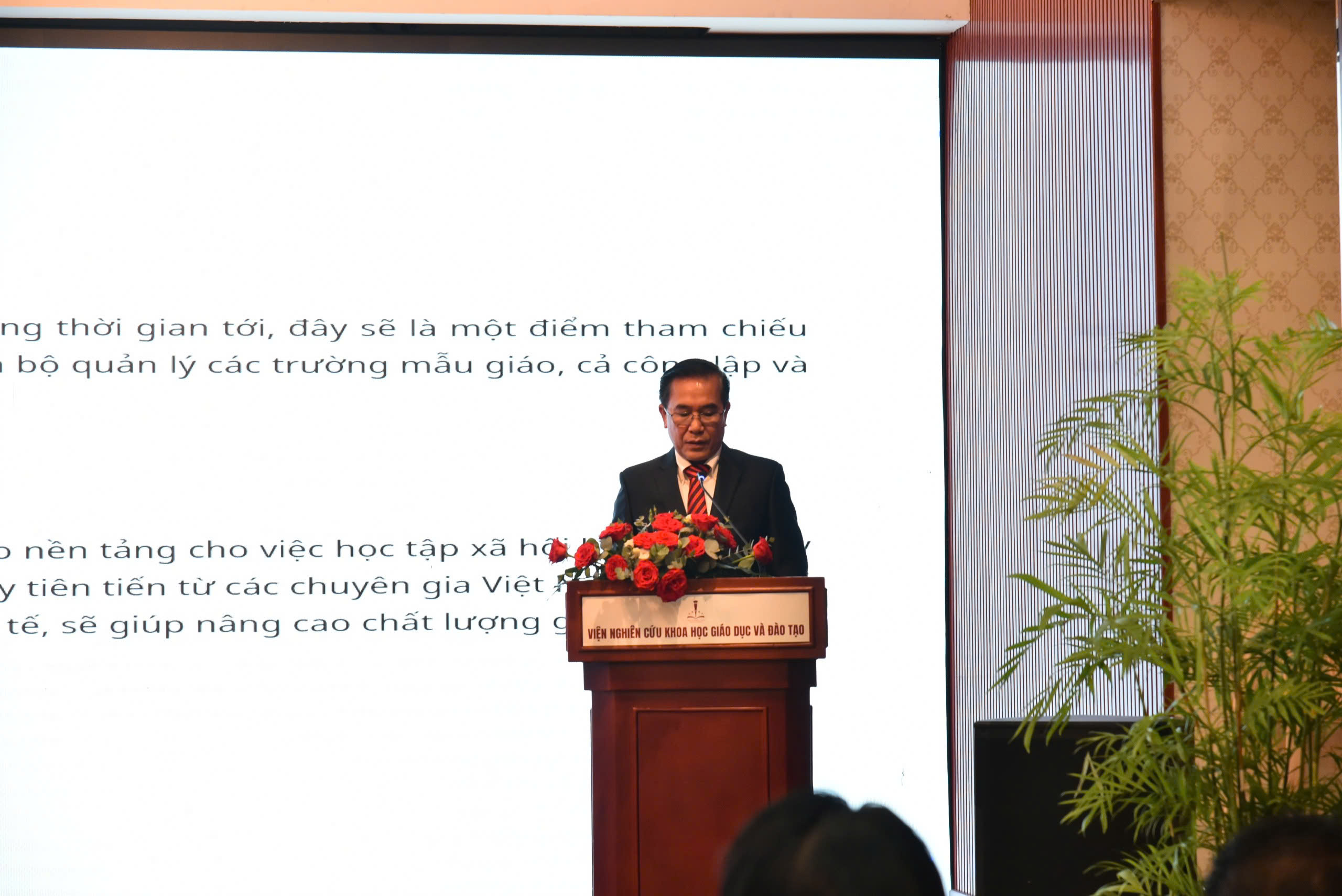
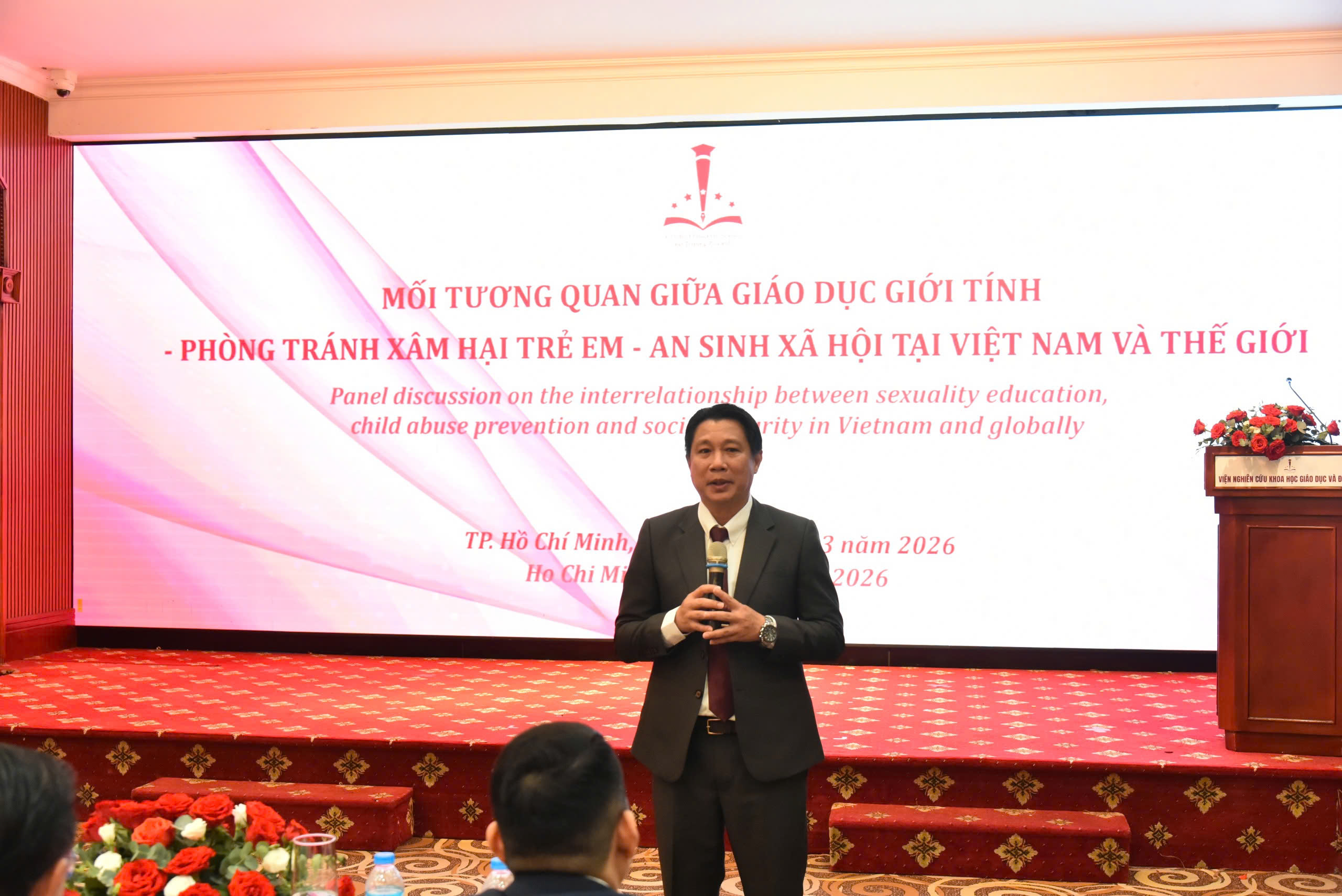
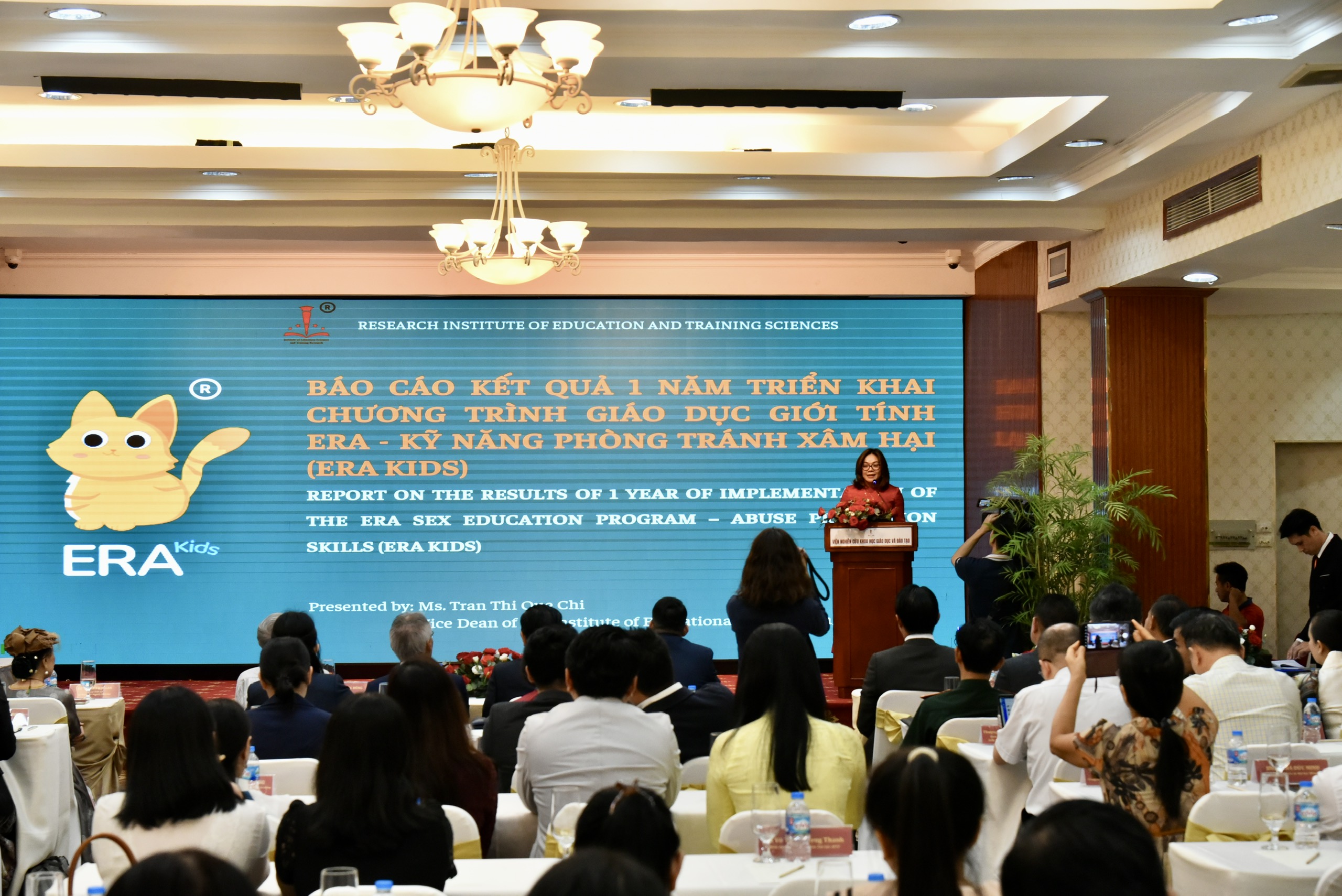
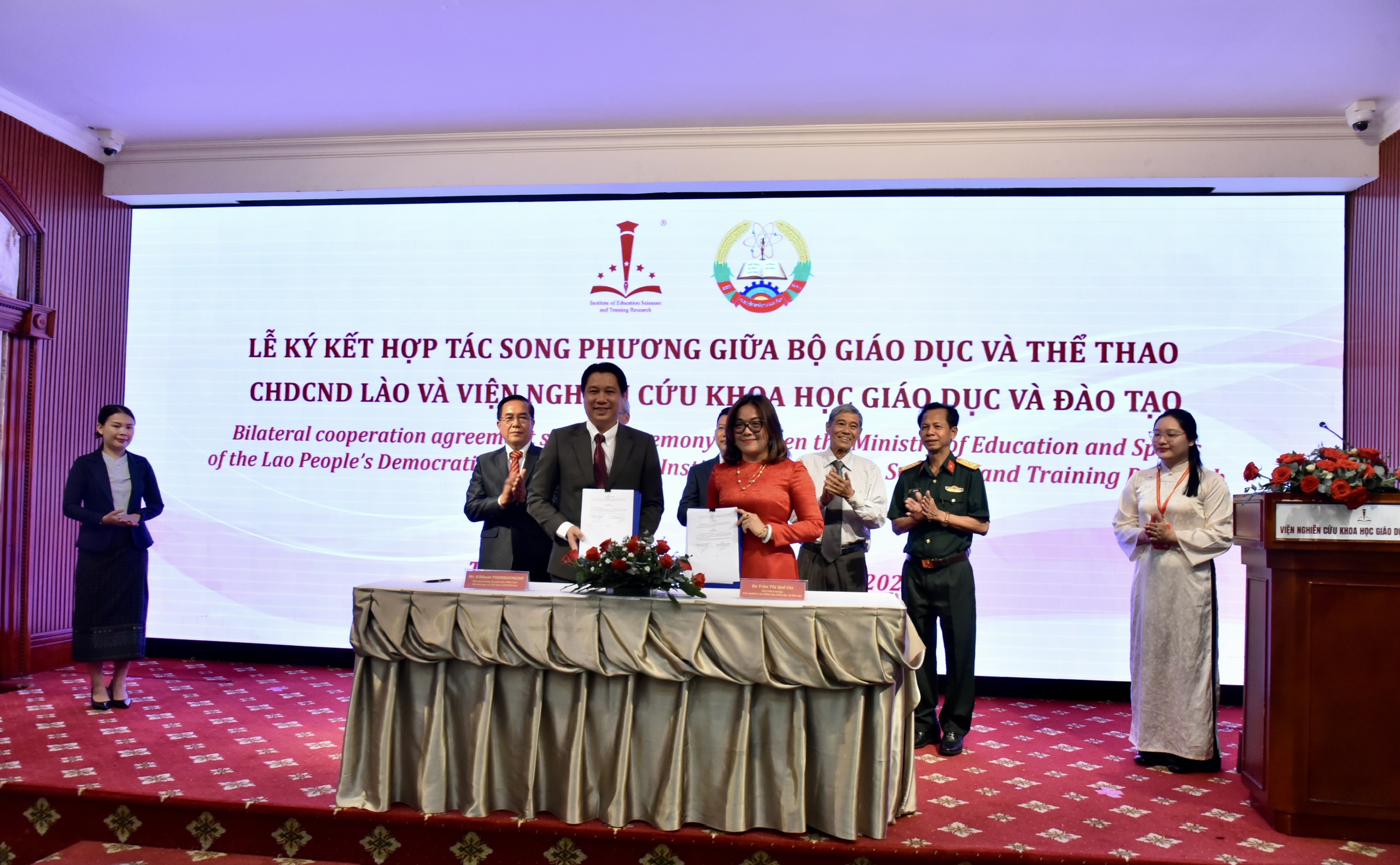
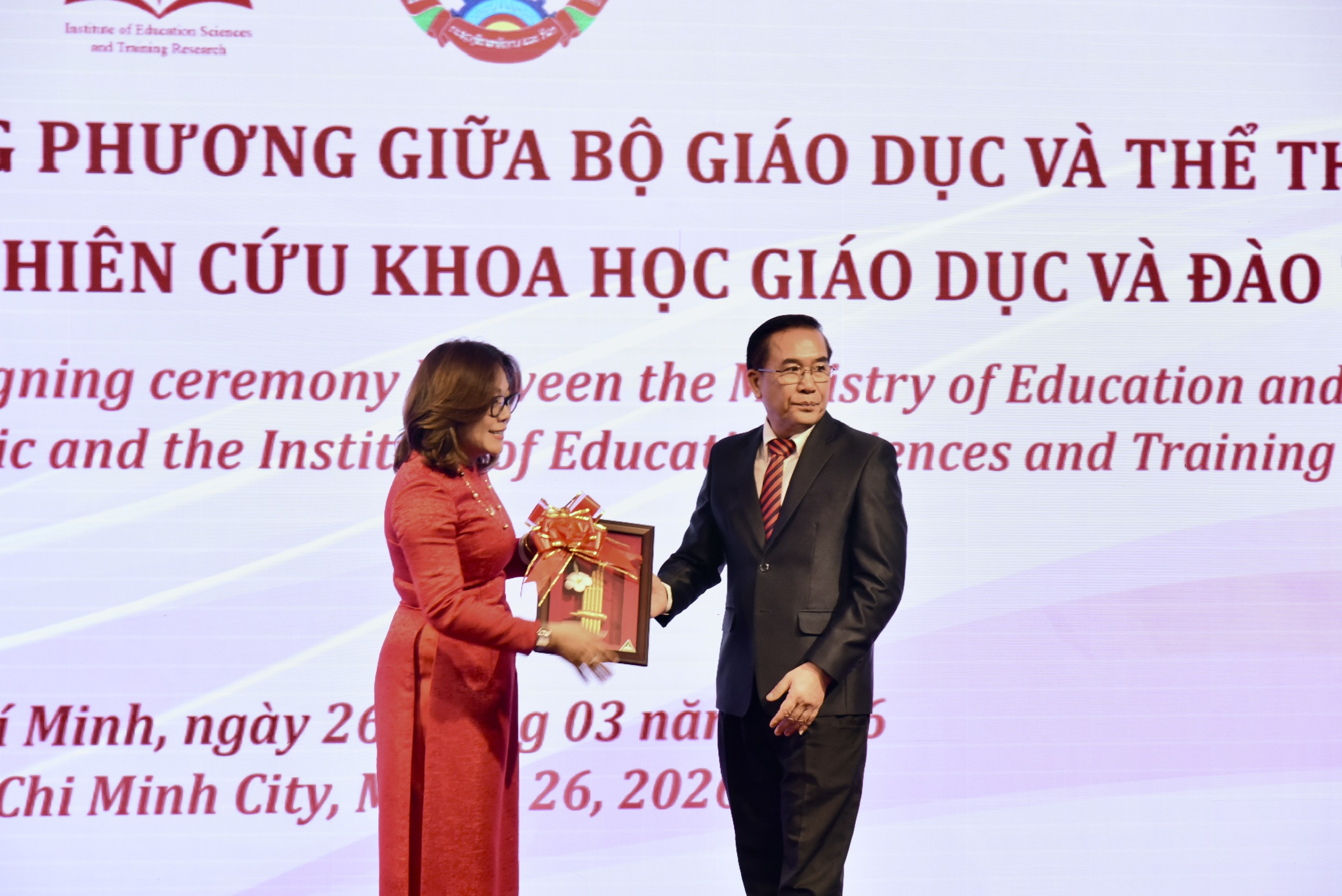
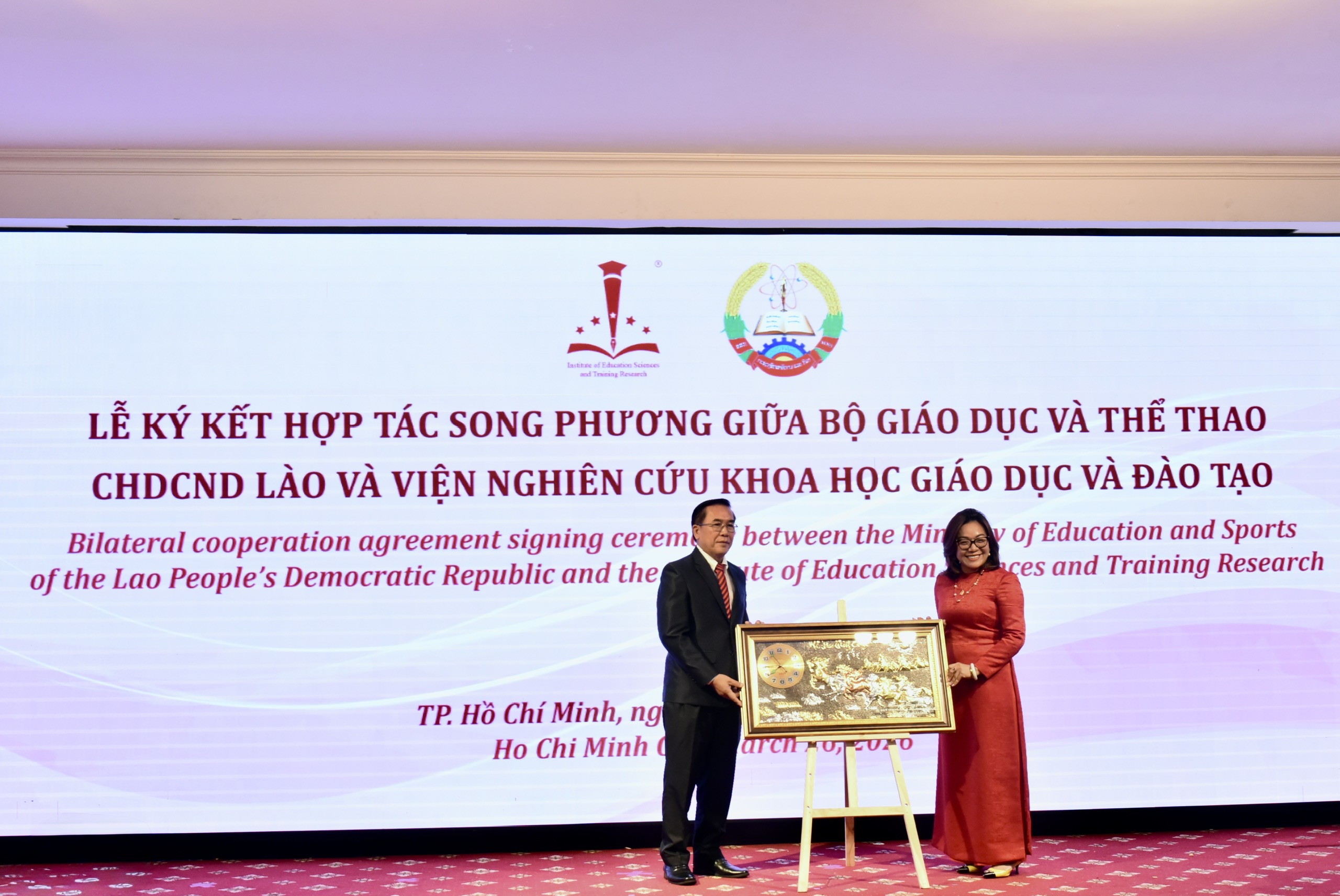
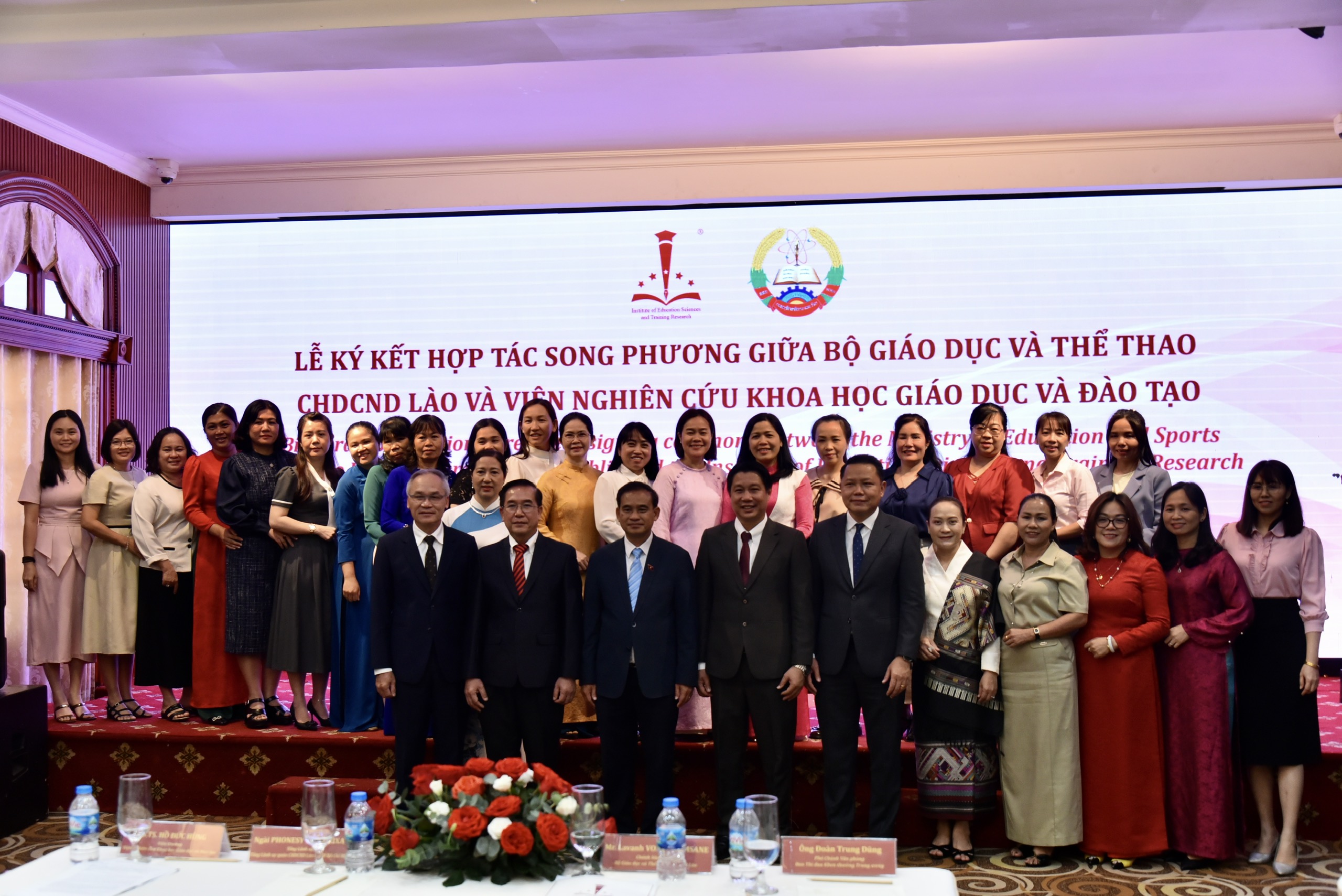
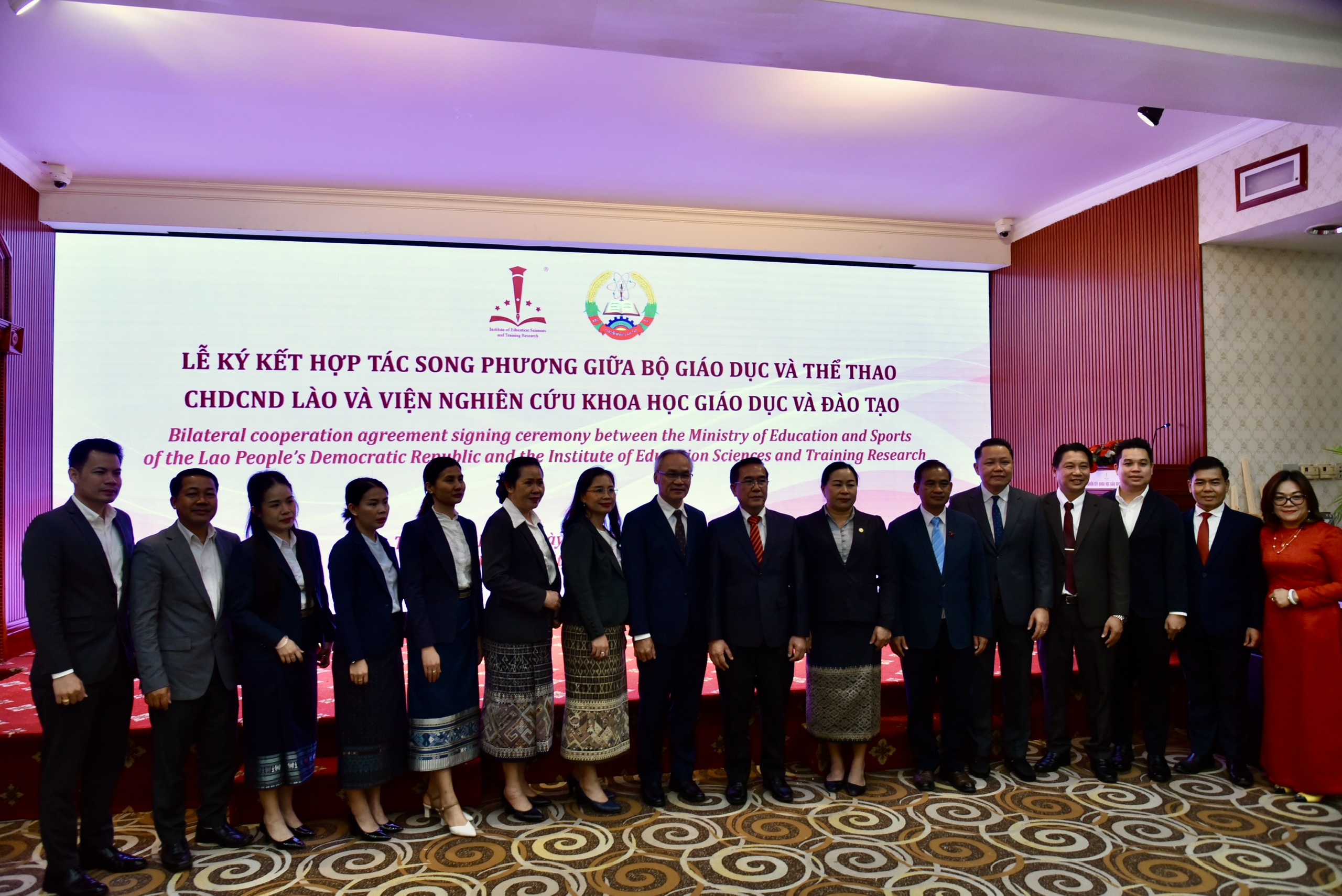
The agreement focuses on co-developing modern early childhood education programs, particularly emphasizing early sexuality education, life skills, and child protection competencies—key foundations for building a safe, proactive, and adaptable generation in the digital era. Both parties agreed to promote knowledge transfer, share advanced educational models, and collaborate on research and implementation tailored to each country’s socio-cultural context.
In addition, the cooperation prioritizes strengthening the capacity of teachers and educational managers through training, professional development, and academic exchange programs to ensure long-term sustainability and effectiveness.
Through this partnership, both sides contribute to strengthening the traditional friendship and comprehensive cooperation between Vietnam and Laos, while reaffirming the importance of international collaboration in addressing interdisciplinary and global educational challenges.
The review conference evaluated the outcomes of the 12-month implementation of Official Dispatch No. 4407/VP-VX, identified achievements and limitations, and proposed solutions for the next phase.
Outstanding organizations were recognized during the program, contributing to the dissemination of best practices and improving overall implementation quality.
The program enhances international cooperation, strengthens inter-agency coordination, and improves the effectiveness of educational policies, particularly in child protection and social welfare.